


If you have ever connected to Wi-Fi at an airport, tried to watch a show only to find it is unavailable in your region, or simply felt like your internet provider is watching your every move, you have probably asked yourself one question: What is a Virtual Private Network?
In 2026, our digital lives are more exposed than ever. Between data harvesting, sophisticated cyberattacks, and the constant tracking of our online habits, basic internet privacy is not a luxury; it is a necessity. The Virtual Private Network market has changed a lot over the last few years. It is no longer a tool for tech enthusiasts; it is a mainstream utility.
This complete 2026 guide will break down what a Virtual Private Network is, how a Virtual Private Network works under the hood, and help you answer the crucial question: Do I need a
Virtual Private Network. Then, because you deserve the protection possible, we will dive into the advanced features, speed tests, and provider comparisons that separate the premium services from the rest.
What Is a Virtual Private Network?
At its core, a Virtual Private Network is an encrypted tunnel between your device, like your phone or laptop, and the wider internet.
Normally, when you go online, your internet traffic travels in the clear. Your Internet Service Provider, the government, and potential hackers on the Wi-Fi network can see which websites you visit, what you download, and where you are located.
When you turn on a Virtual Private Network, it routes your internet traffic through a server operated by the Virtual Private Network company. Your data is scrambled into a format before it ever leaves your device. To the world, it looks like a stream of gibberish.
Furthermore, the website you are visiting only sees the IP address of the Virtual Private Network server, not your actual home IP address.
Do I Need a Private Network?
This is the most common question beginners ask, and the answer in 2026 is probably yes for most users. Here is who genuinely needs a Virtual Private Network:
The Public Wi-Fi User: If you ever work from a coffee shop, hotel, or airport, you are a target. Hackers love Wi-Fi networks to intercept passwords via man-in-the-middle attacks. A Virtual Private Network renders their stolen data useless.
The Streaming Enthusiast: Geo-blocking is stricter than ever. Streaming platforms like Netflix, Max, and Disney+ have libraries depending on the country you are in. A Virtual Private Network allows you to virtually relocate to access the content you are paying for.
The Privacy Advocate: If you do not want your Internet Service Provider selling your browsing history to advertisers, a Virtual Private Network stops them from seeing what you do.
The Smart Shopper: E-commerce sites and airlines frequently change prices based on your location. Using a Virtual Private Network to check prices from countries can save you significant money.
The Gamer: A good Virtual Private Network can prevent Internet Service Provider throttling, where your internet provider intentionally slows down your connection when they detect heavy bandwidth use, like downloading a game.
How a Virtual Private Network Works: Under the Hood
To understand how a Virtual Private Network works, you do not need a computer science degree. You just need to understand three concepts: Encryption, Tunnels, and IP Masking.
1. The Encryption Process
When you type in a website address, your Virtual Private Network app takes that request. Locks it inside a digital vault. In 2026, the industry standard for this vault is AES-256 encryption. To put that into perspective, it would take a supercomputer billions of years to guess the combination to that lock. Even if someone intercepts your data mid-transit, they cannot read it.
2. Residential IP Address Masking Techniques
Every device connected to the internet has an IP address, a digital return address that tells websites exactly where you are. When you use a Virtual Private Network, it swaps your IP address for one belonging to their server.
However, in 2026, websites are smart. They know that many Virtual Private Networks use Datacenter IP addresses that belong to servers in tech facilities, not actual homes.
Streaming services routinely block these.
To fight back, top-tier Virtual Private Networks now utilize Residential IP Address Masking. They route your connection through residential internet connections in your target country. To the streaming service, it looks like a normal person living in London or Tokyo logging in, making it nearly impossible to block.
3. Advanced Kill Switch Technology:
What happens if your Virtual Private Network connection drops for a split second? Without a safeguard, your real IP address would instantly flash back onto the internet, exposing your identity and activity.
An Advanced Kill Switch is your safety net. If the Virtual Private Network tunnel breaks, the kill switch instantly cuts off your devices’ internet access entirely. It will not reconnect until the encrypted Virtual Private Network tunnel is safely re-established. In 2026, premium Virtual Private Networks offer Application-Level Kill Switches, meaning if the Virtual Private Network drops, it will only kill your web browser or torrenting app, but allow your background messaging apps to stay connected.
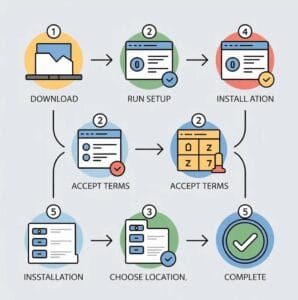
Core Features That Define a Virtual Private Network
Not all Virtual Private Networks are created equal. The difference between a shady app and a premium service comes down to the following pillars:
1. Security Protocols and Encryption Standards:
Encryption is the lock protocols are the delivery trucks. Modern Virtual Private Networks use lightweight, fast protocols.
- WireGuard is the gold standard. It is incredibly fast. Uses state-of-the-art cryptography.
- OpenVPN and IKEv2 are highly battle-tested protocols that are still great for specific devices.
2. Zero-Log. Third-Party Audits:
A No-logs policy means the Virtual Private Network provider promises not to keep records of what you do. In 2026, a promise is not enough. Authority in this space is proven through third-party audits. Top providers pay firms to comb through their server code and prove they are not secretly tracking users.
3. Server Network Coverage and Performance:
A Virtual Private Network with 50 servers is going to be slow and crowded. The best Virtual Private Networks boast thousands of servers across 100+ countries. Importantly, they use intelligent server load balancing. If a server in Tokyo gets too crowded during peak hours, the Virtual Private Network automatically routes you to a crowded server nearby to maintain your speeds.
4. Device Compatibility and Simultaneous Connections:
We live in a multi-device world. A premium Virtual Private Network should support Windows, macOS, iOS, Android, Linux, and even routers. Furthermore, look for simultaneous connection limits. While the standard used to be 5 or 6 devices, modern leaders allow 8 to 10. Some even offer unlimited simultaneous connections.
The Fastest Virtual Private Networks This Year: Speed Test Results
The myth about Virtual Private Networks is that they will ruin your internet speed. While it is true that encrypting data and routing it across the globe adds some latency, the top services in 2026 have minimized this impact to unnoticeable levels.
Here is what our 2026 speed test evaluations reveal:
1. Speed Test Comparisons Across Regions
When testing premium Virtual Private Networks on a baseline 1 Gbps fiber connection, the top performers only lost about 10% to 15% of their base speed on local servers. When connecting to servers halfway across the world, speeds hovered at 300-400 Mbps, more than enough for 4K streaming.
2. Streaming and Gaming Performance Evaluation
For streaming, consistency is key. The fastest Virtual Private Networks offer Streaming Servers that are optimized specifically to handle the heavy bandwidth of 4K video without buffering.
For gaming, latency is the enemy. While a Virtual Private Network will always add a millisecond to your ping, top-tier services with optimized gaming routes keep ping under 50ms, ensuring competitive shooters and fast-paced games remain highly playable.
3. Mobile vs Desktop Performance Differences
In 2026, mobile Virtual Private Network apps will be just as powerful as desktop clients. However, because phones have processors, heavy encryption can drain battery life. The best mobile apps now feature an Auto-Connect protocol selector that will use WireGuard while you are on battery mode, preserving your phone’s battery without sacrificing security.
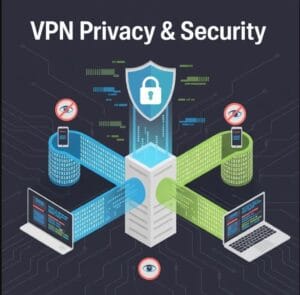
4. Privacy and Security: How Each Service Protects Your Data
Speed is great. If the Virtual Private Network is leaking your data, it is useless. How do the top providers protect you:
5. Advanced Security Features and Technologies
Beyond encryption premium services pack serious extra firepower:
Multi-Hop Connections: Instead of connecting to one server, your data bounces through two or three different countries. It is slower. Offers extreme privacy.
Obfuscated Servers: Some countries actively block Virtual Private Network traffic. Obfuscated servers disguise Virtual Private Network traffic to look like unencrypted web traffic allowing you to bypass strict censorship.
Built-in Malware and Ad Blocking: Many Virtual Private Networks now block ads and malicious websites at the network level before they ever reach your browser, speeding up page load times and protecting you from phishing links.
6. Jurisdiction. Legal Compliance:
The location of a VPN company is really important. If they are based in a country that’s part of the “Five Eyes” or “Fourteen Eyes” group, like the US, UK, or Canada, they might be forced to give up user information.
This is why some companies that care about privacy a lot choose to be based in places like Panama, the British Virgin Islands, or Switzerland, where they do not have to keep user data.
VI. Top VPN Providers in 2026: From Premium to Budget
To help you figure out which VPN to use, here is how the best ones compare based on what we talked about.
A. Premium Tier Services: Feature-Rich Options
ExpressVPN is a great choice because it always works well and has fast speeds everywhere. They are really good at getting around geo-blocks. Have a simple app that is easy to use.
NordVPN is a powerful option. NordVPN has a lot of features,
Get More Information: https://compareshub.com/
Frequently Asked Questions:
Q: How do I pick the right VPN service for what I need?
A: Think about what you will use it for, like streaming, gaming, work, or just to be private. Consider where you need servers how devices you want to protect, and what you can spend. Try out services that offer trials or money-back guarantees to see how they work with your internet and how you use it.
Q: Are VPN services safe to use in 2026?
A: Some good companies offer versions with good security, but many of the best free VPNs are not safe because they collect user information or have weak security. If you want to be protected, it is usually better to pay for a service that will give you better security, faster speeds, and more reliable service.
Q: Can VPN services still get around geo-restrictions for streaming platforms?
A: Many VPN services can still work with streaming platforms, but this is an ongoing challenge. Services that have streaming servers and update them often are more likely to still work.
Q: How much will I have to pay for a VPN service in 2026?
A: Good VPN services usually cost between $3 and $12 per month, depending on how you sign up for and what features you get. If you pay for a year, you will usually save money compared to paying each month. If you need extra features, it might be worth paying more for them.
Q: Will using a VPN make my internet really slow?
A: New VPN services have gotten better at not slowing down your internet. With the services, you might lose 10-30% of your speed, but this depends on how far the server is, what kind of encryption you use, and how fast your internet is to start with.
Summary
Looking at all the VPN services in 2026, it is clear that this market has changed a lot. Now companies are focusing on making their security better, covering areas, and making things easier for users. The best VPN services always use encryption, have reliable connections, and are honest about how they handle user information, all while keeping prices competitive. When choosing a VPN, consider what you need it for, such as whether you want to use it on multiple devices for streaming or if you are on a budget. Our research shows that while the best services often cost more, some cheaper options are still really good for privacy and security.
